

Philadelphia has always been a city that believes education matters.
Long before public education became widespread across the United States, Philadelphia was helping shape what learning could look like in a growing nation. Some of the country’s oldest public schools were established here, and over the years the city became a place where educators, families, and community leaders fought to expand educational opportunities for every child. Throughout the twentieth century, Black educators, churches, neighborhood organizations, and parents played a vital role in advocating for equitable schools, greater representation, and better resources for students. More recently, the School District of Philadelphia has experienced significant change through district restructuring, school closures, and renewed investment in neighborhood schools. Those experiences continue to shape education across the city today.
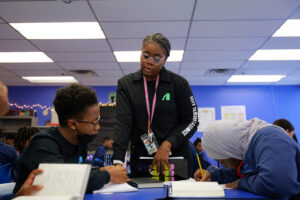
If you’re considering teaching in Philadelphia, you’ll find a city where history is never far away, neighborhoods have distinct identities, and schools are deeply connected to the communities they serve. Teaching here isn’t simply about standing in front of a classroom. It’s about becoming part of a city that takes pride in its schools and the people who make them stronger.
Here are eight things that make Philadelphia unlike anywhere else to teach.
1. Every Neighborhood Has a Story to Tell
People often describe Philadelphia as a city of neighborhoods, and you’ll understand why the moment you begin living here.
Students don’t simply tell you they are from Philadelphia. They tell you they are from West Philadelphia, Germantown, South Philadelphia, Olney, Frankford, Kensington, or Northeast Philadelphia. Those neighborhood identities are woven into family traditions, local history, school pride, and everyday conversations.
Taking time to understand those communities helps teachers build trust with students and families. It also reminds educators that every school has its own story, shaped by the people who call that neighborhood home.
2. History Is Part of Everyday Learning
Few cities offer the opportunity to teach where so much American history happened.
Students can study the founding of the nation just blocks from Independence Hall. They can learn about the Constitution, the abolitionist movement, women’s suffrage, and the Civil Rights Movement in places where those stories unfolded. Philadelphia’s museums, historic landmarks, libraries, and public art create opportunities to connect classroom lessons to the world outside school. History becomes more tangible when students can explore the places where it happened.
3. Students Bring Strength, Creativity, and Pride Into the Classroom

The School District of Philadelphia serves a student population that is predominantly Black and Latino, representing cultures, languages, and experiences from around the world.
Many students come from families that have lived in Philadelphia for generations. Others are part of communities that continue to shape the city’s future through their traditions, entrepreneurship, and civic leadership.
Teachers quickly learn that their students bring much more than academic potential into the classroom. Students also bring resilience, creativity, humor, curiosity, and perspectives that shape classroom conversations. The best classrooms recognize those strengths and create space for students to see themselves reflected in what they are learning.
4. Philadelphia’s Arts Scene Becomes an Extension of the Classroom
Art is part of everyday life in Philadelphia.
The city is home to world-class museums, one of the nation’s largest public mural programs, neighborhood theaters, music organizations, and cultural festivals that celebrate communities from across the globe.
Teachers often find creative ways to connect these resources to classroom instruction. A lesson about social change might include studying a neighborhood mural. A writing assignment may begin with a visit to a local exhibit. Students begin to see the city itself as a source of learning.
5. School Pride Runs Deep
Ask almost anyone in Philadelphia where they went to school, and chances are they’ll have a story to tell.
Many families have attended the same schools across multiple generations. Alumni return for performances, athletic events, and community celebrations. Former students come back to mentor younger classes or volunteer in programs that once supported them.
That pride creates strong relationships between schools and the neighborhoods they serve. Teachers become part of those relationships from the moment they walk through the door.
6. You’ll Find Educators Who Are Committed to the City
Philadelphia has a long history of educators choosing to dedicate their careers to the same schools and neighborhoods.
New teachers work alongside colleagues who understand the history of their communities, know local families, and have spent years building trust. Those relationships become an invaluable resource during the critical first years of teaching.
Philadelphia also has a strong tradition of educator advocacy through the Philadelphia Federation of Teachers. Understanding that history helps new educators appreciate the role teachers have played in shaping public education across the city.
7. Philadelphia Culture Finds Its Way Into the Classroom
The culture of Philadelphia naturally becomes part of the school day.
During football season, conversations about the Eagles often begin before the morning announcements. A big win can energize an entire building, while a tough loss might dominate lunchtime conversations. Many teachers discover that these everyday moments are opportunities to connect with students, build relationships, and better understand the communities they serve.
The same is true for neighborhood traditions, local celebrations, and citywide events. They become shared experiences that help classrooms feel connected to the place they call home.
8. Teaching Here Leaves a Lasting Impact
Learning how to become a teacher in Pennsylvania is only the beginning.
Teaching in Philadelphia challenges educators to think creatively, communicate effectively, and build meaningful relationships with students and families. Every school year brings new lessons, not only for students but for teachers as well.
City Teaching Alliance prepares future educators through year-long clinical practice, graduate coursework, instructional coaching, mentorship, and care-centered supportive services. That preparation helps new teachers enter the classroom prepared for the realities of teaching while continuing to develop throughout their careers.
Why So Many Teachers Choose Philadelphia
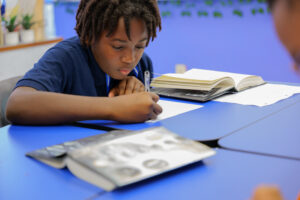
There are many places to build a career in education, but Philadelphia offers something that few cities can offer. It is a city where public education has been and continues to be shaped by generations of educators, families, and advocates who believed schools could strengthen entire communities. It is a place where students take pride in where they come from and where teachers become part of that story.
If you’re exploring Philadelphia teacher jobs, looking into how to become a teacher in Pennsylvania, or hoping to teach in Philly, you’ll find more than a classroom. You’ll find a city with a rich educational history, students who will challenge and inspire you, and colleagues who believe deeply in the work they do.
Learn more about City Teaching Alliance’s Philadelphia program and take the first step toward becoming part of one of America’s most historic and resilient education communities.
Ready to join the Alliance? Connect with a team member today!


