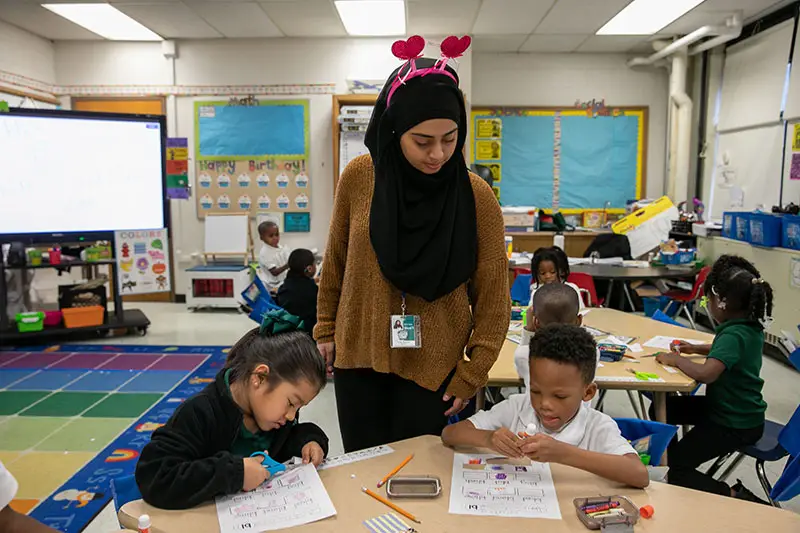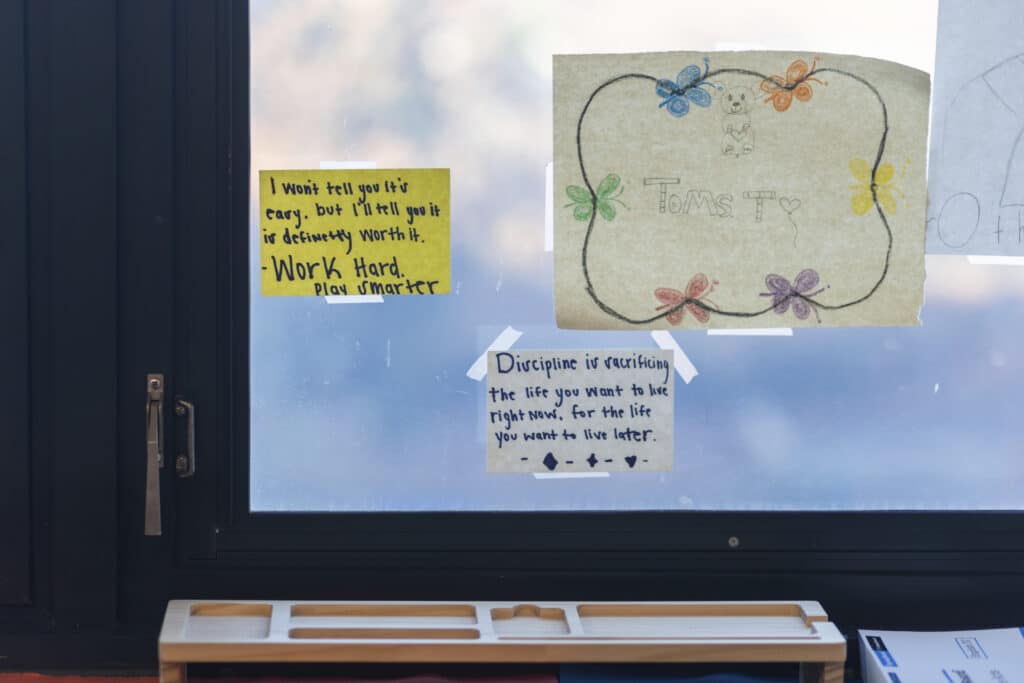
The final weeks of school bring a mix of emotions into the classroom. Students are excited for summer, teachers are wrapping up a busy and rewarding year, and everyone can feel the shift as the year comes to a close. At the same time, these final moments matter more than we sometimes realize.
Finding meaningful end-of-year classroom activities can make all the difference during this season. The right activities give students a chance to reflect on their growth, celebrate accomplishments, and feel excited about what the next academic year may hold. They also help teachers create memorable moments without adding unnecessary stress during an already full schedule.
No matter what grade you teach, these end-of-school-year activities are designed to be practical, engaging, and easy to implement during the busiest stretch. From reflection exercises to classroom celebrations and transition activities, these ideas can help you finish the year strong while continuing to build a positive classroom culture that students will remember long after the final bell rings.
- Create End-of-Year Memory Books: A memory book gives students a space to reflect on their school year in a structured but personal way. Students document favorite lessons, important milestones, challenges they overcame, and moments that made them laugh or feel proud. This works across elementary, middle, and high school when adapted through journals, slide decks, or guided reflection prompts. It helps students slow down and recognize their growth before the year ends.
- Write Letters to Future Selves: Students write a letter to themselves that they will receive again in the future. They reflect on their growth, challenges, goals, and mindset at the end of the school year. For students in grades K–11, the letters will be delivered to them on the first day of school in their first year so they begin the year with encouragement and reflection. For graduating seniors, the letters will be returned on the last day of school, giving them a final moment to read and reflect before closing their time in the classroom.. This creates a powerful closing moment and works across all grade levels, including high school, helping students reflect on both academic and personal growth.
- Classroom Connection Letters and Compliment Sharing: Students participate in a structured activity that combines peer appreciation with written reflection. Each student writes a letter to a classmate recognizing how they impacted them during the school year, whether through kindness, leadership, collaboration, or support. After letters are written, teachers can facilitate a sharing moment where selected messages are read aloud to the class or exchanged in small groups, depending on comfort level. This activity works across all grade levels, including high school, and strengthens classroom culture while helping students recognize the impact they have had on one another.
- Personal End-of-Year Letters From the Teacher: Teachers write individualized letters to each student highlighting specific growth, strengths, and contributions throughout the year. These letters should feel personal and reflective rather than generic.
- Student Curated Achievement Showcase: Instead of a traditional awards ceremony, students select and present one piece of work that represents their growth or effort from the year. They briefly explain why they chose it and what it shows about their learning journey. This works across all grade levels and is especially meaningful in middle and high school classrooms where students can take ownership of their reflection.
- Classroom Reflection Walk: The classroom is transformed into a visual timeline of the school year using student work, projects, and writing samples from different points in time. A first draft of a writing piece might sit alongside a more developed final version, while early problem-solving attempts can be shown next to more refined approaches later in the year. Students walk through and reflect on how their thinking and skills have evolved over time. This activity works well in elementary, middle, and high school settings and helps make growth visible in a simple but powerful way.
- Collaborative Classroom Challenge Day: Students rotate through academic, creative, and problem-solving challenges that require teamwork and communication. These activities can include puzzles, design tasks, logic challenges, or strategy-based games. This works for all grade levels, including high school, and provides a structured way to end the year with energy and collaboration without relying on food or external materials.
- Student Teaching the Teacher Moment: Students take on the role of teacher by leading a short lesson or explaining a skill they have mastered during the year. This could be a math strategy, a science concept, a reading skill, or even a creative process they have learned. Teachers act as participants while students guide the experience. This works across all grade levels, including high school, and creates a powerful shift where students see themselves as capable leaders of learning.
- Create Advice Guides for Future Students: Students create a guide for next year’s class that shares advice, strategies, and encouragement. They reflect on what helped them succeed, what they wish they had known earlier, and what incoming students should expect. This works especially well for upper elementary through high school and allows students to pass on meaningful insight while reflecting on their own experience.
- Summer Intentions Reflection Cards: Students create reflection cards that outline how they want to spend their time over the summer in meaningful ways. These can include learning goals, personal habits, creative projects, or ways to stay connected to learning outside of school.
- Next Step Q&A Panel: Students participate in a structured Q&A with teachers or students from the next grade level. The focus is on helping students understand expectations, routines, and what life will look like in the next stage of their academic journey so they feel more prepared for the transition. This works well for elementary, middle, and high school students and helps reduce uncertainty about what is ahead. For graduating seniors, this can be adapted into a “Next Chapter Panel” where recent graduates return or join virtually to share honest advice about college, trade programs, work, or other post-secondary paths.
- Classroom Reset for the Next Incoming Class: Students take part in a classroom reset experience where they help prepare the space for the next group of students coming in. Instead of just cleaning up, students think like classroom leaders and consider what would help someone walking into this room for the very first time. They help organize materials, refresh bulletin boards, tidy learning areas, and add small, welcoming touches such as notes, tips, or simple visuals that reflect what made the classroom community special. This activity works across elementary, middle, and high school settings because it can be adjusted based on independence and responsibility. For high school students, it becomes a leadership moment where they actively shape the experience of future learners. It also gives students a sense of closure by allowing them to leave something meaningful behind while honoring the space they spent the year in.