Every year, thousands of teachers make the difficult decision to leave the classroom. Some retire. Some pursue different careers. Others still love teaching but decide the job is no longer sustainable.
When people ask why teachers are quitting, they are often looking for a single answer. In reality, teacher attrition results from several challenges that accumulate over time. Compensation, preparation, and ongoing support, to name a few factors, all influence whether educators choose to remain in the profession.
The good news is that schools, districts, and teacher preparation programs are learning more about what helps teachers build long, successful careers. There is no single solution, but there are clear patterns emerging in schools that are improving retention.
Here are three of the biggest reasons teachers are leaving the profession and the strategies that are helping address them.
1. Compensation Is Part of the Equation
Salary is one of the most common answers to the question, why are teachers quitting. Rising housing costs, student loan debt, and expanding responsibilities have made it more difficult for many educators to see teaching as a financially sustainable career.
Compensation is one of several factors influencing teacher retention. Teachers also point to workload, planning time, school leadership, and access to classroom resources when describing what influences their decision to stay or leave. Feeling supported in the workplace often matters just as much as a paycheck.
What Is Making a Difference
Schools making progress in reducing teacher turnover are taking a broader approach. Alongside competitive salaries, many are creating schedules that protect planning time, investing in professional learning, strengthening instructional support, and building school cultures where teachers feel respected as professionals.
While no solution fixes everything, these changes can help more teachers stay. They give educators the support they need to focus on what brought them into the profession in the first place: helping students learn.
2. Many Teachers Need More Classroom Experience Before They Lead Their Own
No amount of coursework can fully prepare someone for the realities of leading a classroom. Planning lessons is only one part of the job. Teachers are also managing classroom routines, building relationships with families, responding to student needs, and adjusting instruction every day. Those skills develop through experience, not textbooks alone.
It is one reason early career teacher attrition continues to be a challenge across the country. Many new teachers enter the profession before they have had enough opportunities to connect what they learned in college with the day-to-day realities of teaching.
Preparation That Reflects the Reality of Teaching
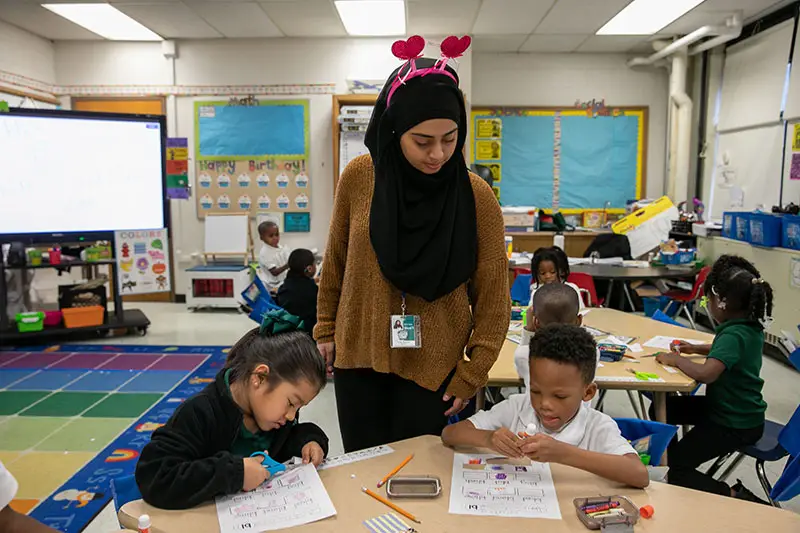
More preparation programs are recognizing that aspiring teachers need meaningful classroom experience before becoming the teacher of record. Programs that combine graduate coursework with extended clinical practice allow future educators to learn alongside experienced teachers, receive regular feedback, and gradually build confidence before leading their own classrooms.
City Teaching Alliance built its Signature Model around this understanding. Future teachers spend a full year developing their instructional practice while receiving coaching, mentorship, and graduate-level preparation.
The organization’s 5Cs: Clinical Placement, Coursework, Coaching & Mentoring, Certification, and Care, recognize that effective teaching depends on more than content knowledge. Successful educators also understand the students they serve, the communities they work in, and the relationships that help classrooms succeed.
3. Teachers Need Ongoing Support, Not Just a Good First Week
Starting a new teaching job is exciting, but the real learning begins after orientation ends. During those first few years, teachers make hundreds of decisions every day. They are planning instruction, communicating with families, reviewing student progress, managing classrooms, and learning how their schools operate, often all at the same time.
Without consistent support, Many teachers who leave the profession do not point to one difficult day. Instead, they describe the steady accumulation of challenges without enough guidance to navigate them.
Support Should Continue Throughout the Early Years
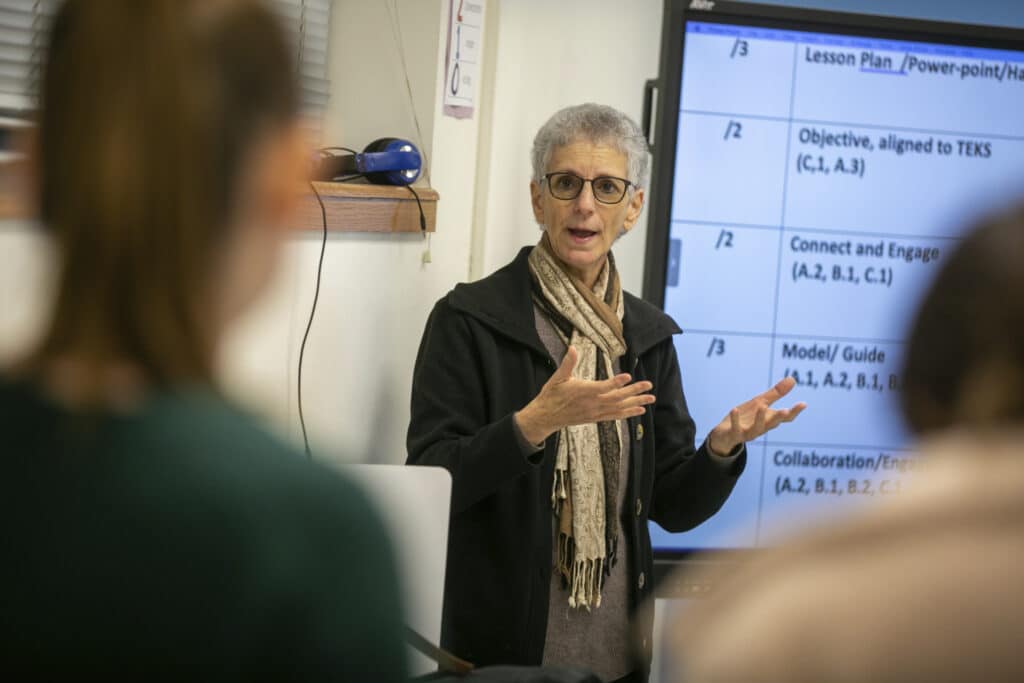
Schools with stronger retention rates share one important characteristic. They continue supporting teachers long after the first week on the job. Instructional coaching, mentoring relationships, collaborative planning, and regular feedback create opportunities for teachers to ask questions, reflect on their practice, and continue developing their skills throughout the school year.
City Teaching Alliance fellows experience all of this during the critical stages of their career, at the beginning and through their first four years in the classroom. Coaching and mentorship remain central throughout the preparation experience because effective teaching develops over time through practice, reflection, and continuous learning.
Supporting Teachers Strengthens Schools
Conversations about why teachers are leaving the profession often focus on the challenges facing education today. Those conversations are important, but they are only part of the picture. Across the country, schools and teacher preparation programs are also demonstrating that thoughtful investments in teachers can make a lasting difference.
- Competitive compensation matters.
- Strong preparation matters.
- Ongoing support matters.
Each strengthens the others. When teachers enter the classroom feeling prepared and continue receiving meaningful support throughout their careers, they are more likely to remain in the profession, strengthen their instructional practice, and build lasting relationships with students and their communities.
City Teaching Alliance’s Signature Model and 5Cs reflect many of these research-backed practices by combining extensive classroom experience, graduate education, coaching, and community into one preparation model. The goal is not simply to prepare teachers for their first day in the classroom. It is to help them build careers that continue making a difference for years to come.
Supporting teachers is not only an investment in educators. It is an investment in students, schools, and the future of public education.
Ready to take the leap and start a transformational career in the classroom? Apply today!